Our Programs
Four focus areas that reinforce each other
Schools need water. Water systems need trained caretakers. Caretakers need a voice in local government. Our programs are built to work together, not in isolation.
Focus Area 1
Basic Education Development
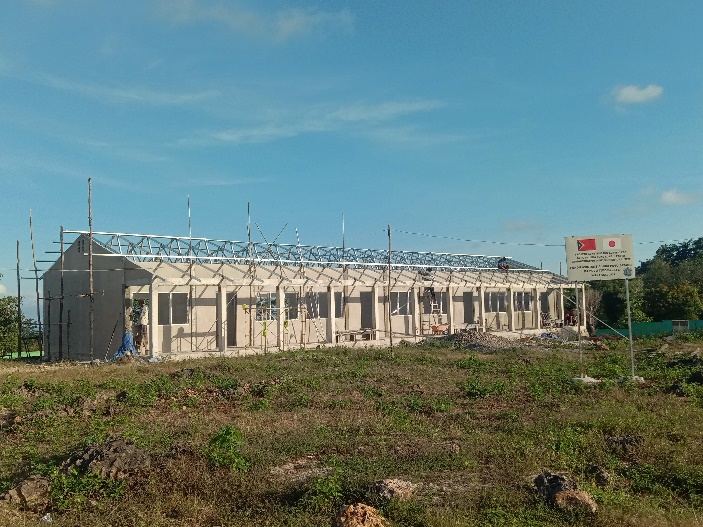
We support municipal education departments to construct and rehabilitate school buildings, and we participate directly in analysing how national education policy, including the NESP and the Sustainable Development Goals, plays out in rural classrooms.
- Technical assistance to the municipal education department for school construction
- Participation in analysing NESP and SDG implementation
- 87 basic schools reached to date across Lautem
Focus Area 2
Climate-Smart Water & WASH
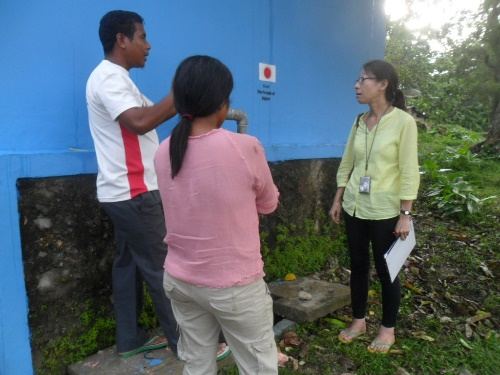
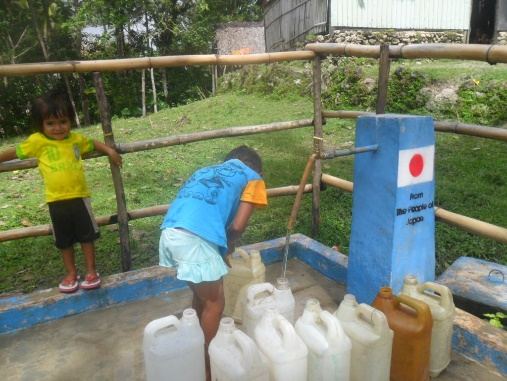
As rainfall patterns shift, communities need water infrastructure that doesn't depend on diesel or a stable grid. We design systems that villages can run and maintain themselves for decades.
- Solar-powered water systems
- Rainwater harvesting infrastructure
- Ongoing water-quality monitoring led by trained community members
Focus Area 3
Women's Leadership & Livelihoods
We train rural women as technicians, managers and decision-makers who run climate adaptation and peace-building work in their own villages, not as passive beneficiaries.
- Technical training for women as WASH technicians and site managers
- Leadership roles in climate adaptation and peace-building
- 30 Women Disaster Focal Points active across target villages
Focus Area 4
Local Governance Support
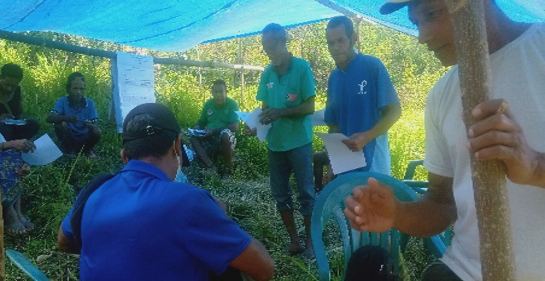
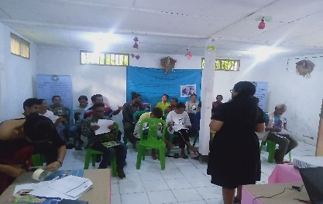
Good infrastructure only lasts when local leaders and municipal government are aligned. We help translate national decentralization policy into decisions suco chiefs can actually act on.
- Disseminating decentralization and local-authority policy to community leaders
- Partnering with municipalities to integrate community solutions into district plans
Who we serve
Target groups & reach
Primary
Rural basic education development, suco women and women's groups.
Secondary
Suco chiefs, municipal government staff, youth, and people with disability.
Reach
Direct: 87 basic schools, 9,000 households.
Indirect: 12,000 students and 60,000 community members.
Where we work
Geographical area
We currently operate in 34 villages (sucos) across Lautem municipality, while collaborating with partner networks in other districts.
Core operating area
34 sucos across Lautem Municipality
Network collaboration
Baucau, Dili, Ermera and Liquiçá, through partner networks
5-year scale-up plan
We intend to scale up to reach more villages across three municipalities over the next five years.